Infinity Virtual Tours prepares for take-off as Yorkshire tech firm attracts global interest

– 3 min read


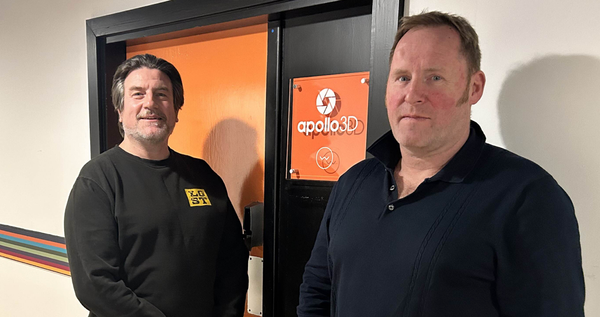
An Otley-based digital scanning specialist has announced a major step forward in virtual tour technology, unveiling a new platform that allows organisations to link several sites, guide viewers with accuracy and learn more about how people explore their spaces.
The service, called Infinity Virtual Tours from Apollo3D, is already drawing interest from across the UK and further afield, placing the Yorkshire firm in a strong position within a rapidly expanding global market for immersive experiences.
The new approach builds on Matterport’s core software but adds a more intuitive structure and detailed analytics. Apollo3D has seen enquiries from venues and operators in Ireland, Europe and the United States as businesses look for clearer navigation and a more meaningful way to understand user behaviour.
Infinity Virtual Tours turns a standard digital walkthrough into a practical tool for marketing, booking and building management. Viewers are no longer left to roam without direction. Instead, a clear menu guides them to the parts of a venue, attraction or facility that matter to them. The experience feels more like being accompanied by a guide inside the digital space, which helps organisations shape the journey and improve conversion rates.
The system also brings operational gains. Building and facilities managers can bring manuals, asset information, safety documents and live data feeds into one central view. Contractors and internal teams can look around a site without travelling, which reduces delays and removes the need for repeated visits. For larger or more complex buildings, this gives managers a level of oversight that traditional paperwork cannot match.
Apollo3D created Infinity Virtual Tours after a steady rise in client demand and advances in scanning technology. It works with any existing Matterport model, even those produced by other providers. This opens the door for hotels, restaurants, theatres, universities, museums, property developers and wedding venues that want to offer visitors a clearer route through a digital space while gathering insight into what captures attention.
With integrated analytics that include Google Analytics, operators can see where viewers spend the most time, where they exit and what actions lead to enquiries or bookings. This feedback allows continual refinement of the tour and gives hospitality businesses in particular a valuable tool at a time when many are working to improve conversion rates online.
Pilot projects in the United States include work for theatres, concert venues and outdoor arenas, where a single scan is adapted for different audiences. Public visitors see one version, while touring artists, venue scouts and facilities teams access more detailed information that supports their planning. Apollo3D has also created tours for universities and heritage sites where detailed route planning is essential for safe access.
Demand is also growing within property development. Student accommodation providers now use Infinity Virtual Tours to help groups of tenants view a property from different locations. Developers of new housing are finding it useful for remote viewings of homes before a physical visit.
Mark Shepherd, director at Apollo3D, said: “Infinity Virtual Tours gives clients far more control over how their spaces are presented. They can show different layouts, direct viewers to the areas that influence decisions and treat the tour as the main driver of their marketing. The analytics reveal how people actually use the space, which helps organisations refine the journey and improve results.”
Rob Wilyman, director at Apollo3D, added: “We have spent many years responding to customer challenges and this service is the result of that work. It brings all site information together so managers can understand their buildings whether they are standing inside them or looking from thousands of miles away. For marketing teams it is a very effective way to lead visitors straight to the content that triggers bookings or enquiries. The early interest from clients in the UK and overseas shows how widely this will be adopted.”
Apollo3D expects strong growth as more organisations look for efficient ways to showcase sites, manage assets and improve visitor engagement. Future developments include greater use of artificial intelligence, faster scanning and advanced reporting that supports building compliance, conservation projects and long term maintenance.
The firm has expanded steadily since its launch eight years ago, creating virtual tours for a wide range of hospitality, leisure and public sector clients. Previous projects include Kirkstall Abbey, The Royal Armouries, Rudding Park and many boutique hotels across the country. Its client base covers retail, healthcare, hospitality and facilities management, with organisations such as the NHS, Marks and Spencer, Greene King, OCS, Primark and The Environment Agency.